Backends, integrations and AI
We integrate the right backend services instead of rebuilding them: databases, storage, cloud functions, notifications, real-time features and AI-powered workflows.
Tell us about your projectWho this is for
For businesses and teams that need to connect their app to data, external services or AI workflows. Also for products with integrations that need to be completed, stabilized or adapted to new requirements. We review the affected flows and available systems before proposing the next steps.
What the service includes
- Firebase & Supabase: databases, storage, cloud functions
- Real-time chat, messaging and live updates (Stream Chat)
- Video & meetings: Zoom, video calling, scheduling
- Google Gemini integrations and AI-powered workflows
- Push notifications, camera, geolocation, QR/barcode scanning
- Offline-first sync and custom PDF generation
What we need to get started
Bring the workflows to support, API documentation, current data model and access requirements. For AI features, share representative inputs, expected outputs and constraints on what data can be sent to a provider.
Scope and estimate
We agree on integrations, data flows, access rules and failure handling before development. Provider fees, usage limits and service availability affect the design. AI features need agreed evaluation criteria and appropriate handling of uncertain results.
Remote collaboration
Work directly with the engineers building your product. Before starting, we agree on scope, delivery milestones and communication channels. At each milestone, we demo the progress, gather your feedback and confirm the next steps.
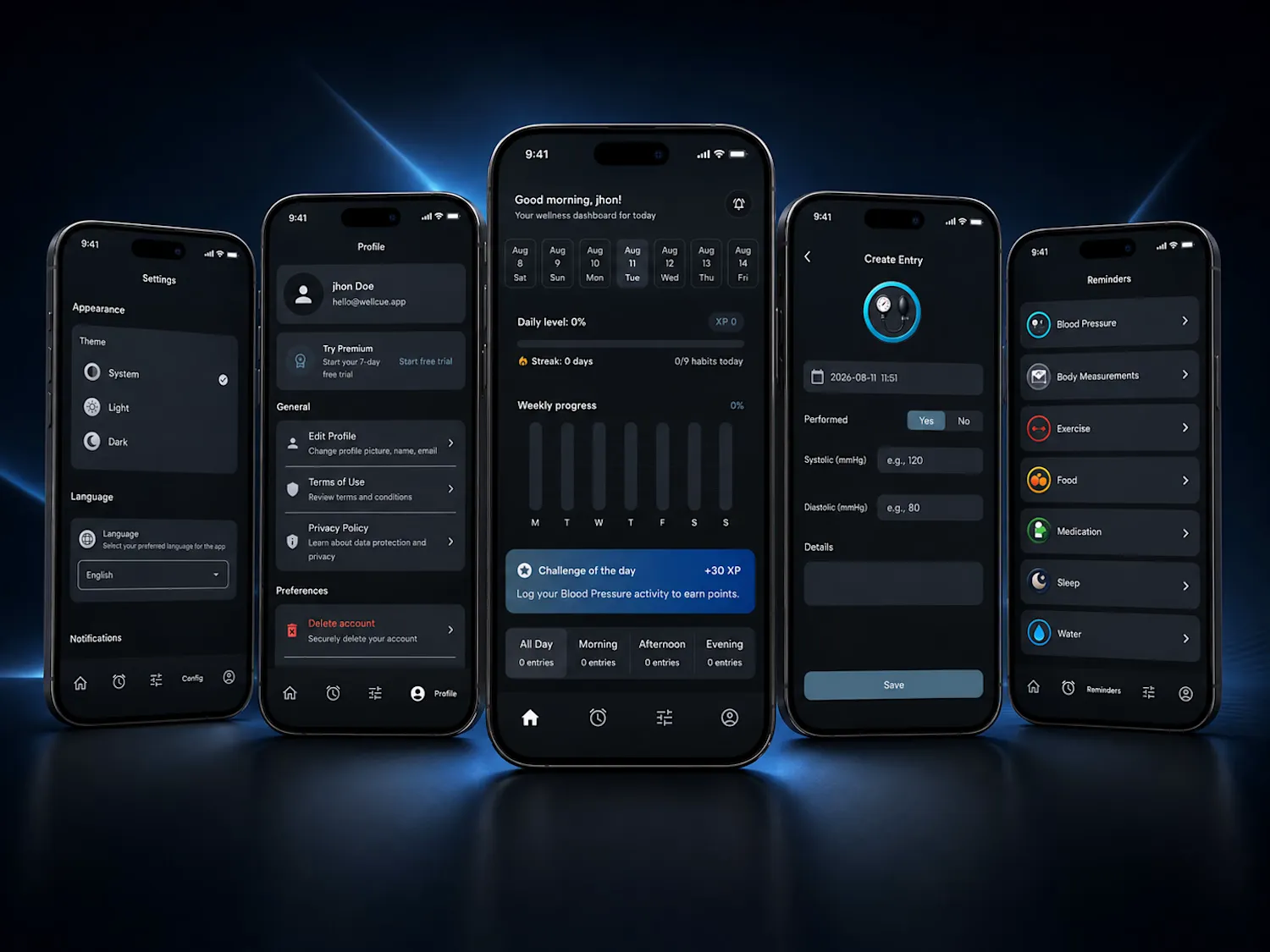
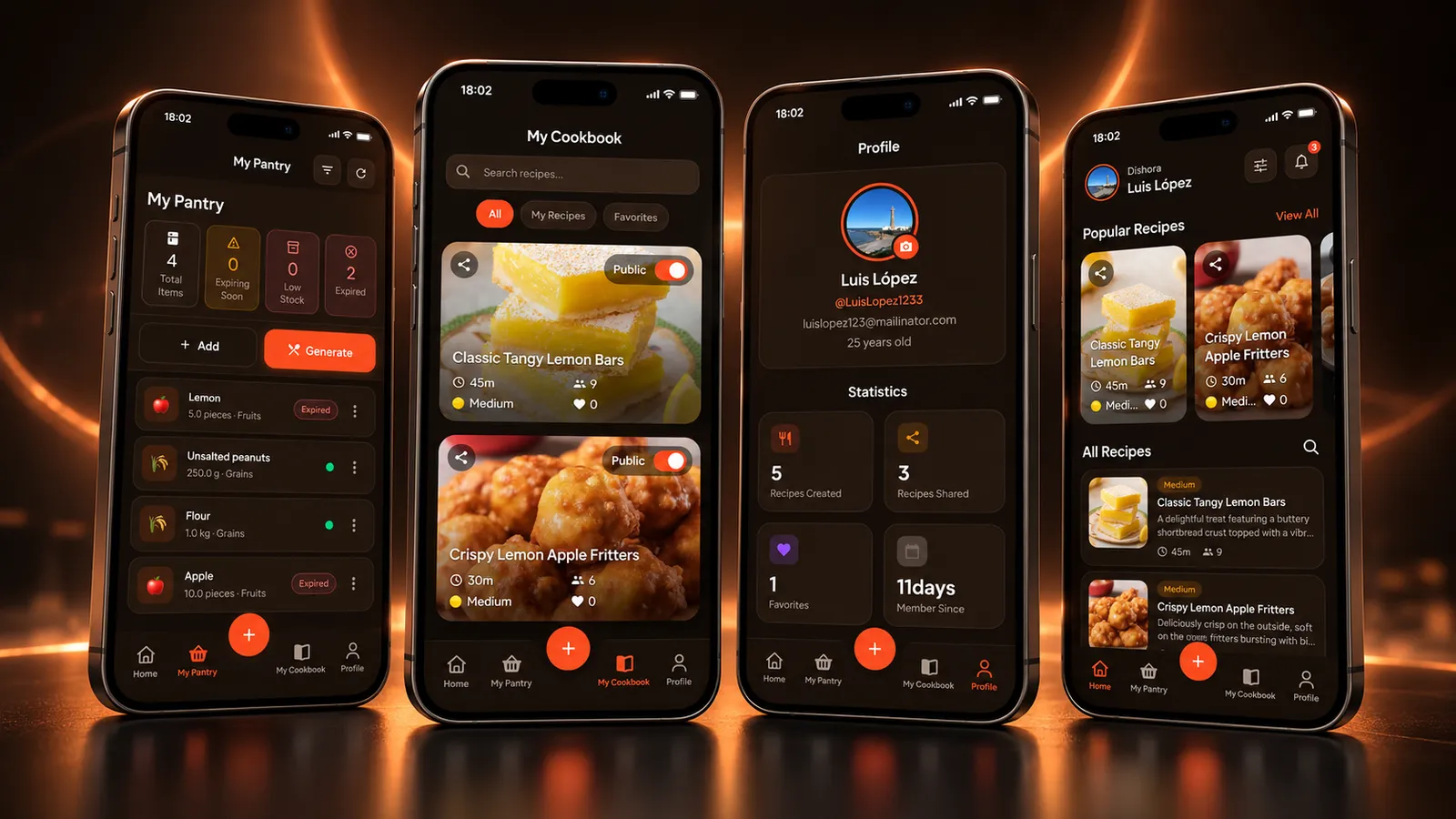
Explore our product work
Frequently asked questions
Can you integrate an existing backend?
Yes. We review the API contract, authentication and expected errors before connecting the app. Missing endpoints or backend changes are identified and estimated separately.
Do you support real-time and offline features?
Yes, where the product requires them. We define what works offline, how changes are synchronized and how conflicts are handled rather than assuming every feature can behave the same way.
How do you scope an AI integration?
We start with a specific task and representative examples, then assess the provider, data handling, cost and response quality. The scope includes validation and fallback behavior for the agreed use case.